
HISTORY &
ARCHITECTURE
Explore the story behind this remarkable Grade II* listed Victorian Gothic Church.
St Cyprian’s Clarence Gate is widely regarded as one of London’s finest Victorian churches. Built in the nineteenth century and carefully enriched over time, it is recognised for its architectural and historical importance, as well as for the coherence of its design and decoration.
Located just off Regent’s Park in Marylebone, St Cyprian’s continues to serve as a working parish church while also attracting interest from those concerned with church architecture, history, and liturgy.
Historical overview:
Originally a Mission Church consecrated in 1867
Dedicated to St Cyprian of Carthage
Designed by by Sir Ninian Comper
Victorian Gothic Revival style
Grade II* listed
ST CYPRIAN’S
Early History
St Cyprian’s was founded by Charles Gutch during a period of rapid growth and change in London, when large parishes were being divided to provide more accessible pastoral care.
The church was established within the parish of St Marylebone to serve an area close to neighbouring parish boundaries. From the outset, it was intended to be a serious liturgical church, shaped by theological conviction as well as practical need.
The Mission Church was opened in March 1866 and consecrated in June 1867.
-
Charles Gutch was the fourth son of the Rector of Seagrave in Leicestershire. He was educated at Christ's Hospital and King's College, London, and thereafter at St John's, Cambridge and Sidney Sussex College where he became Prizeman in Classics and Divinity in 1842. He was elected Senior Fellow of his College in 1844 and remained so until he died fifty-two years later. After his ordination, he served in two curacies in his home county of Leicestershire. In 1849 Fr. Gutch took charge, at the request of Dr. Pusey, of S. Saviour's, Leeds. He refused the offer of the living and after a brief period in Bath, he moved to London and by 1864 had served curacies at St Matthias', Stoke Newington, S. Paul's, Knightsbridge and All Saints, Margaret Street.
-
Gutch was anxious to acquire a church of his own in London which he could manage on his own lines. It was a time when many large London parishes were being divided in order to facilitate more workable parochial conditions. Fr. Gutch approached the Revd. I. L. Davies, the Rector of Christ Church Cosway Street in St. Marylebone, with a view to building a church in that part of the parish which bordered the neighbouring parishes of St Marylebone and St Paul's, Rossmore Road. The Rector reacted very favourably to the plan which would relieve him of the responsibility for three thousand souls, about a tenth of his whole cure, and suggested that portions of St Paul's and St Marylebone parishes should be handed over to Fr. Gutch also. Neither the Rector of St Marylebone nor the Vicar of St Paul's approved of Fr. Gutch’s churchmanship, and so that part of the plan foundered.
-
The faithful who attended Christ Church were, for the most part, quite comfortably off, but the north-eastern part of the parish, which seemed to have so special an appeal for him, was described as 'a neglected and heathen part of London'. The 3,000 people in the proposed new district were mostly poor, for whom there was no church or school accommodation. A Mission Church was needed, but land was scarce and the wealthy landowner unwilling to assist. Eventually, two houses backing on to each other and joined by a coal shed in what are now Glentworth Street and Baker Street were rented for use as a temporary chapel. Once the leases were obtained the conversion was entrusted to George Edmund Street, the architect of the Law Courts and a personal friend of Fr. Gutch.
His proposed dedication of the Mission to St Cyprian of Carthage caused further difficulties. He explained his choice by saying 'I was especially struck by his tender loving care for his people, the considerateness with which he treated them, explaining to them why he did this or that, leading them on, not driving them. And I said, 'If only I can copy him, and in my poor way do as he did, I too may be able to keep my little flock in the right path, the road which leads to God and Heaven'. ' Only a few weeks before the Mission was due to be opened, the Bishop of London protested on the ground that such a dedication would be out of keeping with the rules laid down by himself and his predecessors. He would prefer the district to be named after one of the Apostles. After Fr. Gutch had pointed out to the Bishop Tait that a number of churches bearing the names of saints other than Apostles had been dedicated in the Diocese recently, and that the Appeal had been printed and circulated, Fr. Gutch won the day. -
On Maundy Thursday, 29 March, 1866, the first Eucharist was celebrated and the following week a Sisterhood was opened next door to the church, whose members were to devote their lives to work in the parish. Six weeks later the scheme of the Ecclesiastical Commissioners constituting the District was approved by the Queen, from which time St Cyprian's was a distinct Parochial Charge, administered by Fr. Gutch and two assistant clergy.
-
For the next thirty years the work of St Cyprian's Mission flourished and expanded, but the little Mission church sat only one hundred and eighty people and was soon overcrowded. Extra services had to be put on to accommodate the numbers and the greatest grief of his ministry was the persistent refusal of Lord Portman to make available a site for the building of a larger permanent church. The main reason for Lord Portman's obstructionist tactics was his dislike for the churchmanship of Fr. Gutch. Unwilling to expose his motives, he decreed that the patronage of the new Church must vest in the Crown, even though an Order in Council had vested it in the Bishop. One of the Trustees stigmatised Lord Portman’s attitude as 'weak, frivolous, vexatious and unreal, and justifies the censure expressed in the ‘Times', a few days back, on the 'Criminal Levity of the Peers in Church matters'.'
-
When Fr. Gutch died in 1896, his vision of a permanent Church still unrealised, the Bishop of London, Dr. Mandell Creighton, appointed the Revd. George Forbes, Vicar of St Paul, Truro, as his successor. The Bishop stressed the urgent necessity for a permanent church, negotiations were opened with the Portman Office for the acquisition of a site and a Building Fund Committee was set up. Finally, Lord Portman agreed to sell a site in the year 1901 for £1,000, a sum much below the market value, provided that, upon the signing of the contract, sufficient money for purchasing the land and building the church should be in the hands of the bankers, and that the church should be built and ready for consecration by the 1st June, 1904.
The contract for building was put in the hands of Messrs. Bucknall and Comper, the latter partner being the architect. The Bishop of Kensington blessed the Corner Stone, which was laid by Lady Wilfreda Biddulph, on 7th July, 1902, and almost a year before Lord Portman's term for the contract was due to expire, the church of St Cyprian was dedicated to the Glory of God and the memory of Charles Gutch by the new Bishop of London. It was the first Church he dedicated in his long episcopate. At the Service on 30th June, 1903, Dr. Winnington-Ingram wore a magnificent cope of Russian cloth of gold, which had been worn at the King’s coronation, and a richly jewelled mitre. The ceremony was adapted from the Pontifical of Egbert, the first Archbishop of York who held the See from about AD 736 to 766. It was described at the time as ‘the real, true ceremonial of the Church of England’ which suggests special pleading. To add to the romantic idealism of the building and the form of service, the floor was strewn in mediaeval fashion with scented flowers and rushes. In the nave were pine, box and rose petals, and on the chancel steps were laid crimson roses and white lilies.
-
At that time, the Church presented to the eye little more than four walls and stately pillars, although the altars were fully furnished. The task of completing the interior decoration was to be left to succeeding generations.
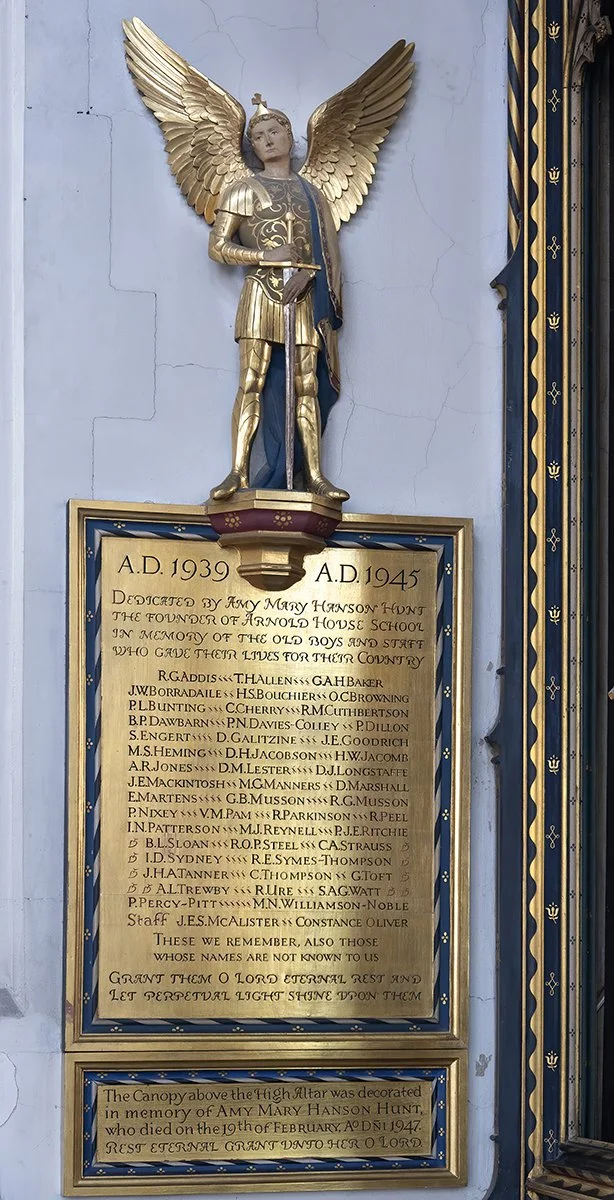
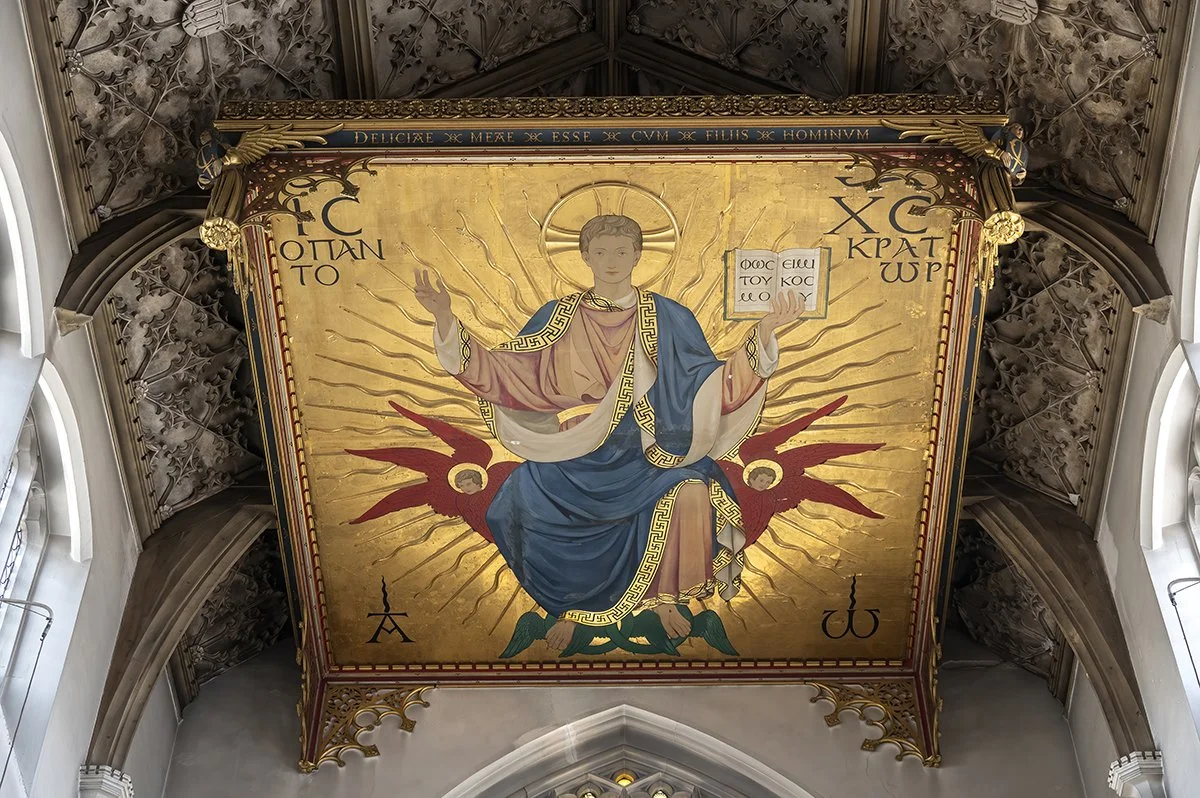
When consecrated in 1903 the church interior was sparsely decorated for lack of funds. Although the altars were complete, completion of interior decoration and fittings continued as gifts and legacies came in. Parclose were added and the stone font, vaulted narthex and gallery above in 1930. The decoration of the screens progressed in stages and the tester above the high altar painted in 1948. West doors followed as late as 1952. At present the organ's decorative case in the west gallery still remains incomplete, as do minor elements of carved stone ornament.
-
On 7 October 1940, German incendiary bombs burned South aisle roof lead and timbers. Some of the burning material fell to the church floor but it was rapidly extinguished; an area of scorched wooden floor has been left in testament.

The St Cyprian Icon
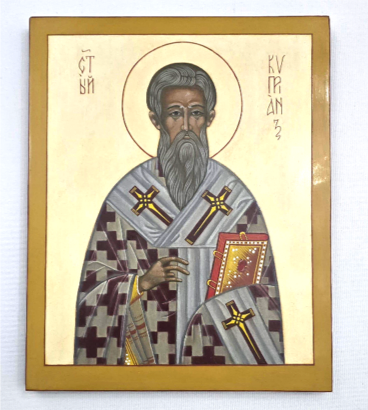
A new icon of the patron saint of the church was commissioned by Parochial Church Council member Eric Emms, a local parishioner, from the Paris-based celebrated iconographer Svetlana Samoylenko. The icon is in the Byzantine style. Svetlana spent many months using traditional natural materials; wood and mineral ground colours to make the image of the saint. It was an emotional time for her as the work developed - progress being made silently and when she felt St Cyprian was close to her as she prayed.
An icon is not a representative picture of a person but a window through which the viewer connects with the saint in a prayerful atmosphere. The icon, blessed by our parish priest Rev. Clare, is on permanent display in our church.
THE Architecture
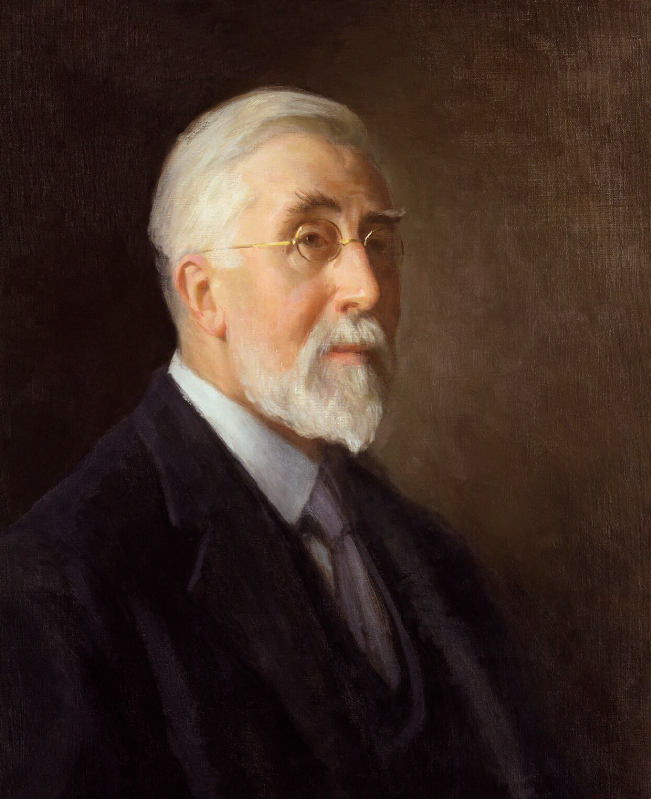
The present church of St Cyprian’s was designed by Sir Ninian Comper (1864–1960), one of the most influential ecclesiastical architects of the late nineteenth and early twentieth centuries. Commissioned in 1899 and built between 1901 and 1903, it was the first new church completed entirely to Comper’s designs.
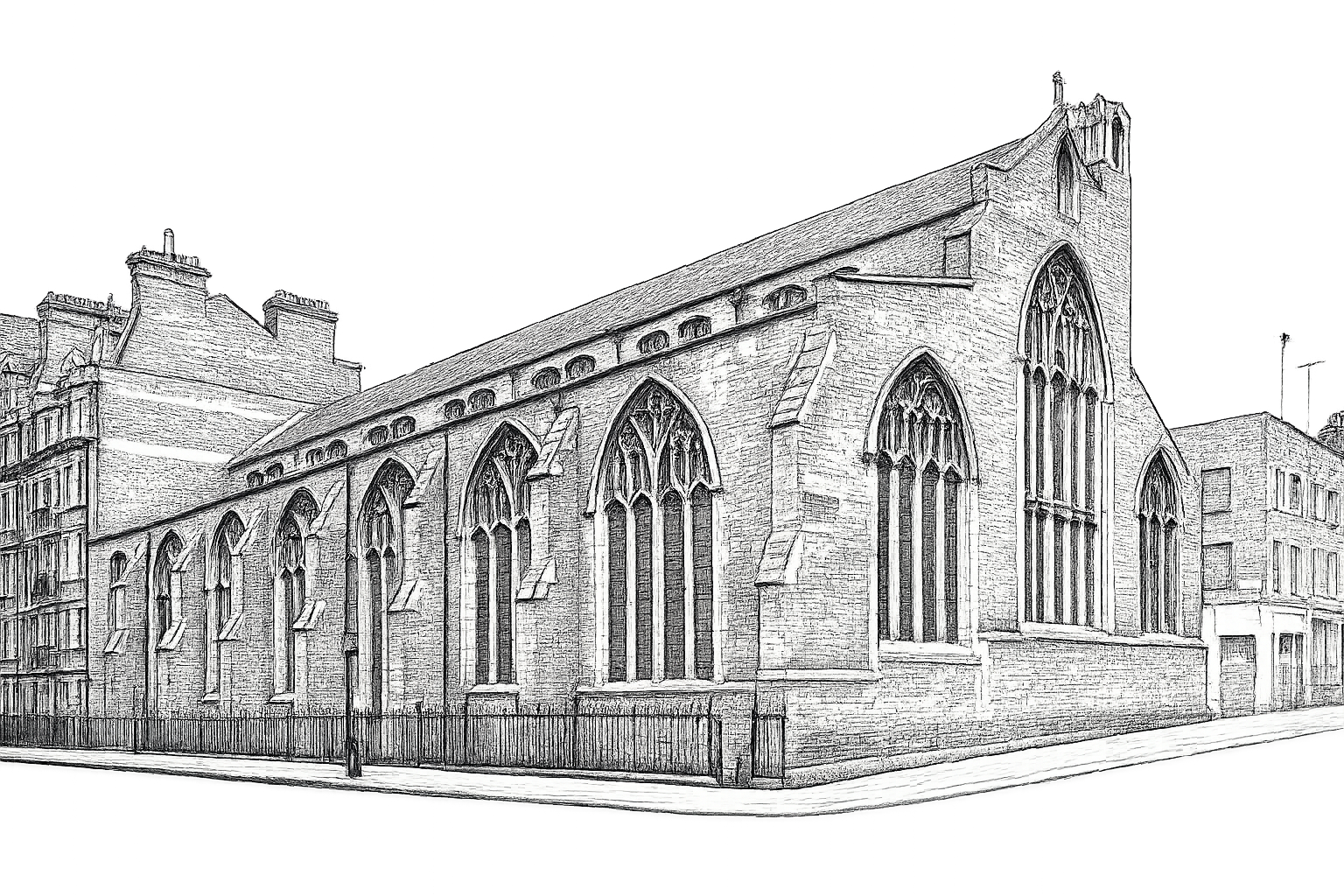
Built in red brick with stone dressings, the church is a well-proportioned example of the Perpendicular Gothic style, reflecting Comper’s desire to realise what he described as the ‘last manner of English Architecture’.
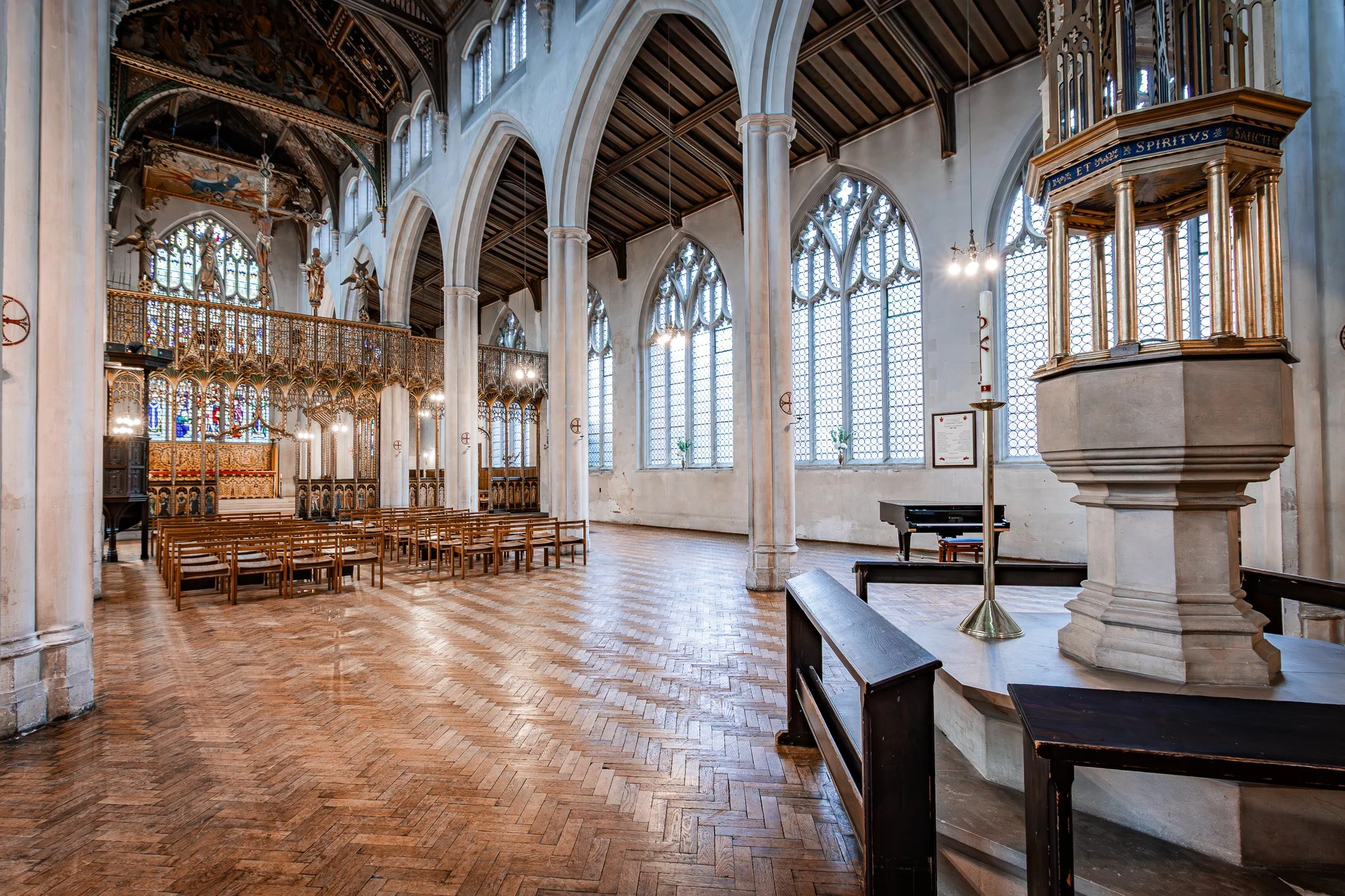
The plan includes a wide nave with a clerestory and north and south aisles, a defined chancel, a Lady Chapel, and a prominent west gallery. There is no tower, but a small bellcote sits on Chagford Street. It was designed not just as a parish meeting space, but as an ordered liturgical setting.
-
The nave and aisles are lit by tall Perpendicular Gothic windows, drawing on models from historic English parish churches, particularly the ‘wool churches’ of East Anglia. The nave itself was modelled on the parish church of Attleborough in Norfolk.
The upper level of the nave, the clerestory, brings daylight in from above, helping the plain, whitened walls feel open without distraction. This restraint in the main space was intentional, so that the decorative fittings and colour around the sanctuary stand out.
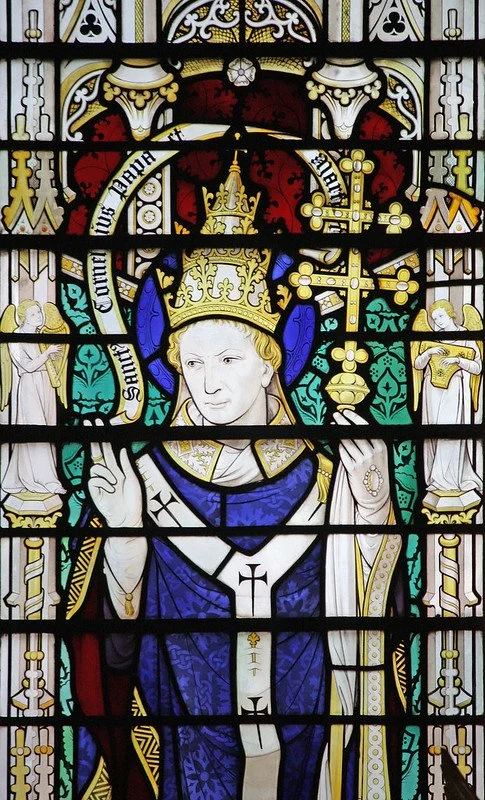
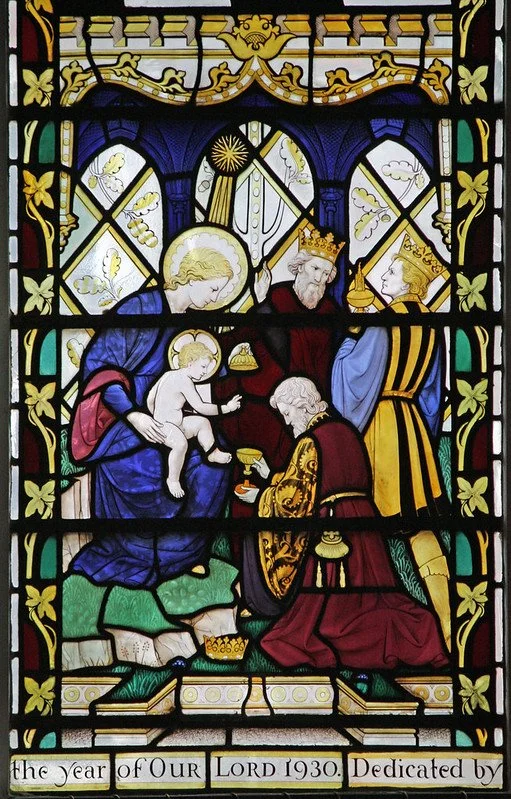
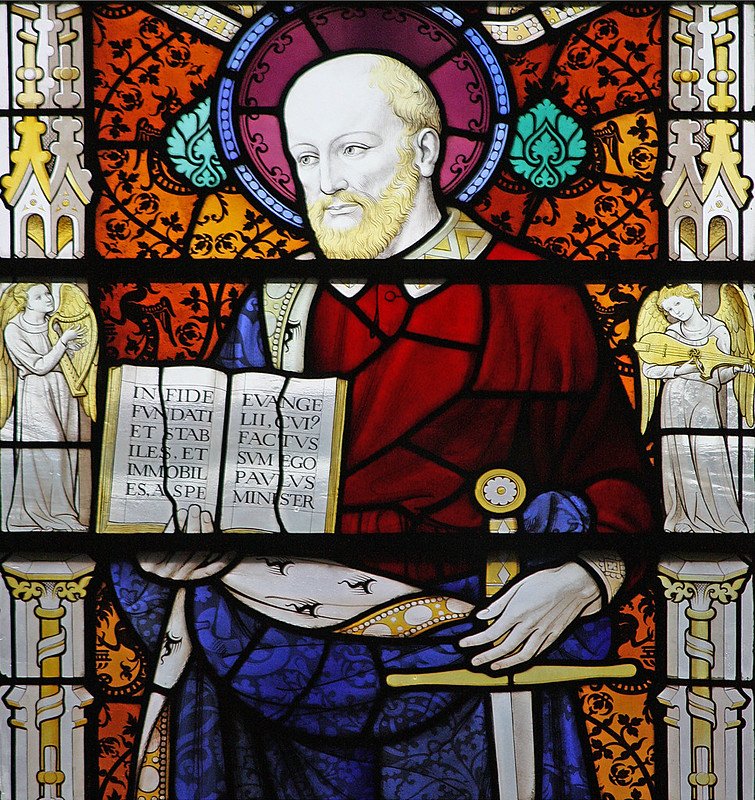
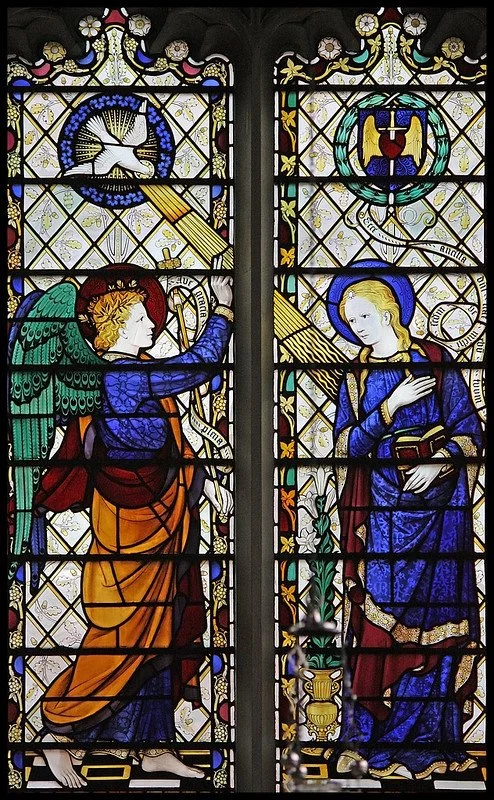
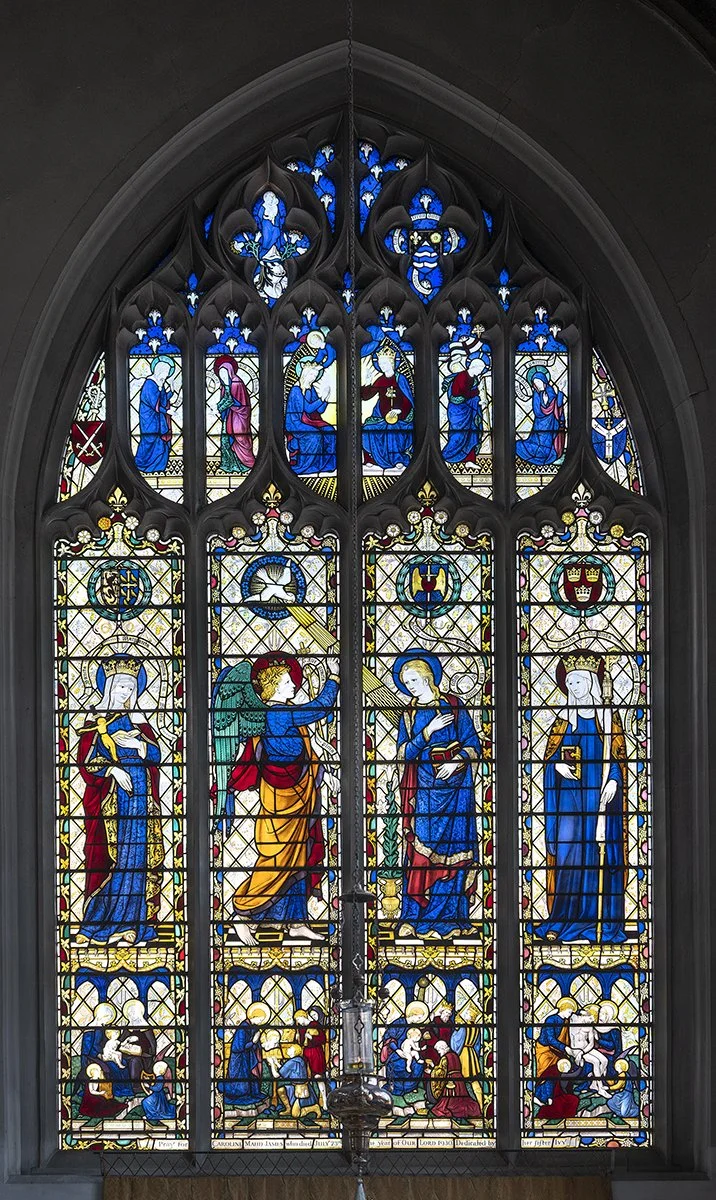
While the church features large windows throughout, stained glass designed by Comper is largely confined to the east end, focusing visual and devotional attention towards the sanctuary.
-
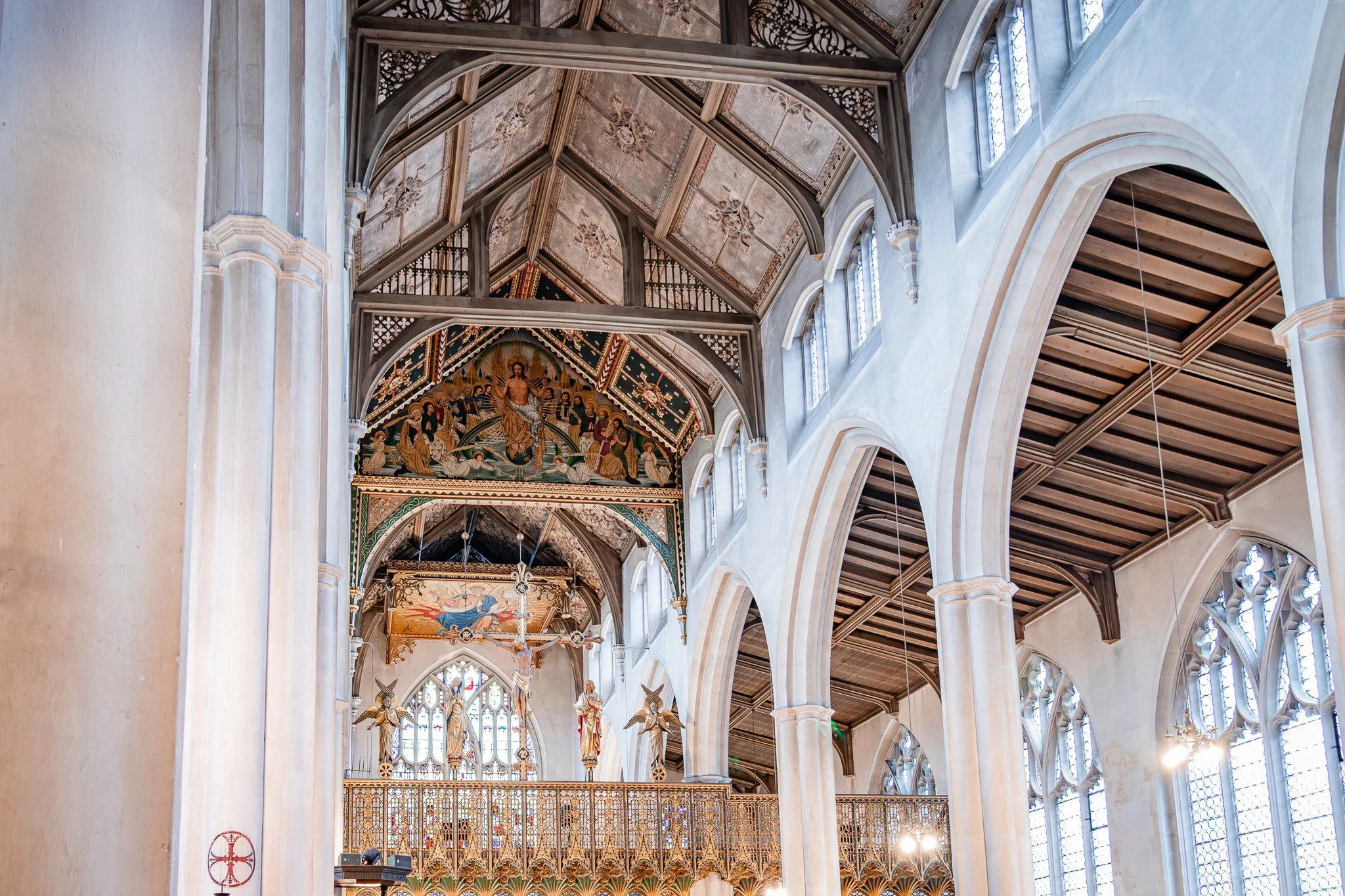
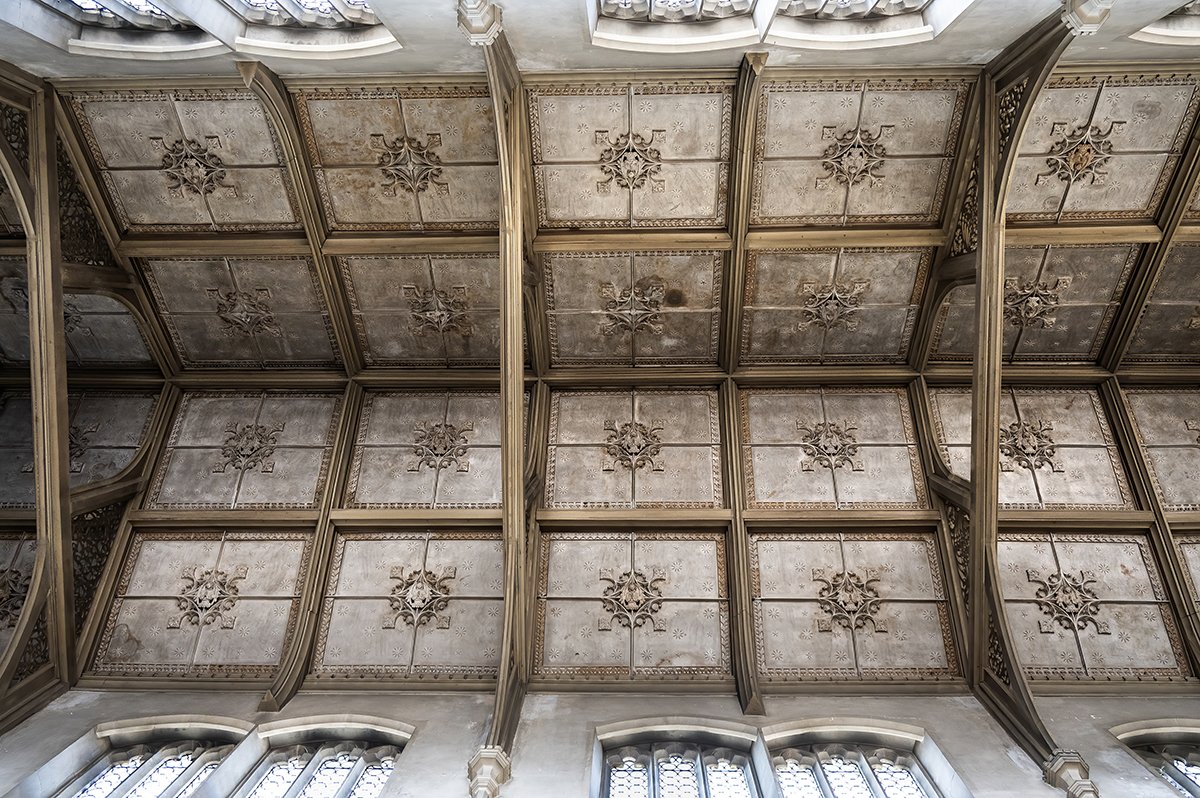
The roof of the church uses combined hammer beam and tie-beam trusses, with panelled tracery spandrels between the timbers. These structural details add rhythm and depth to the ceiling without overwhelming the clean lines of the nave.
This careful balance of structure, proportion and light reinforces Comper’s vision of the church as a place where architecture draws the eye and spirit upward, supporting its role as a setting for prayer and worship.
-
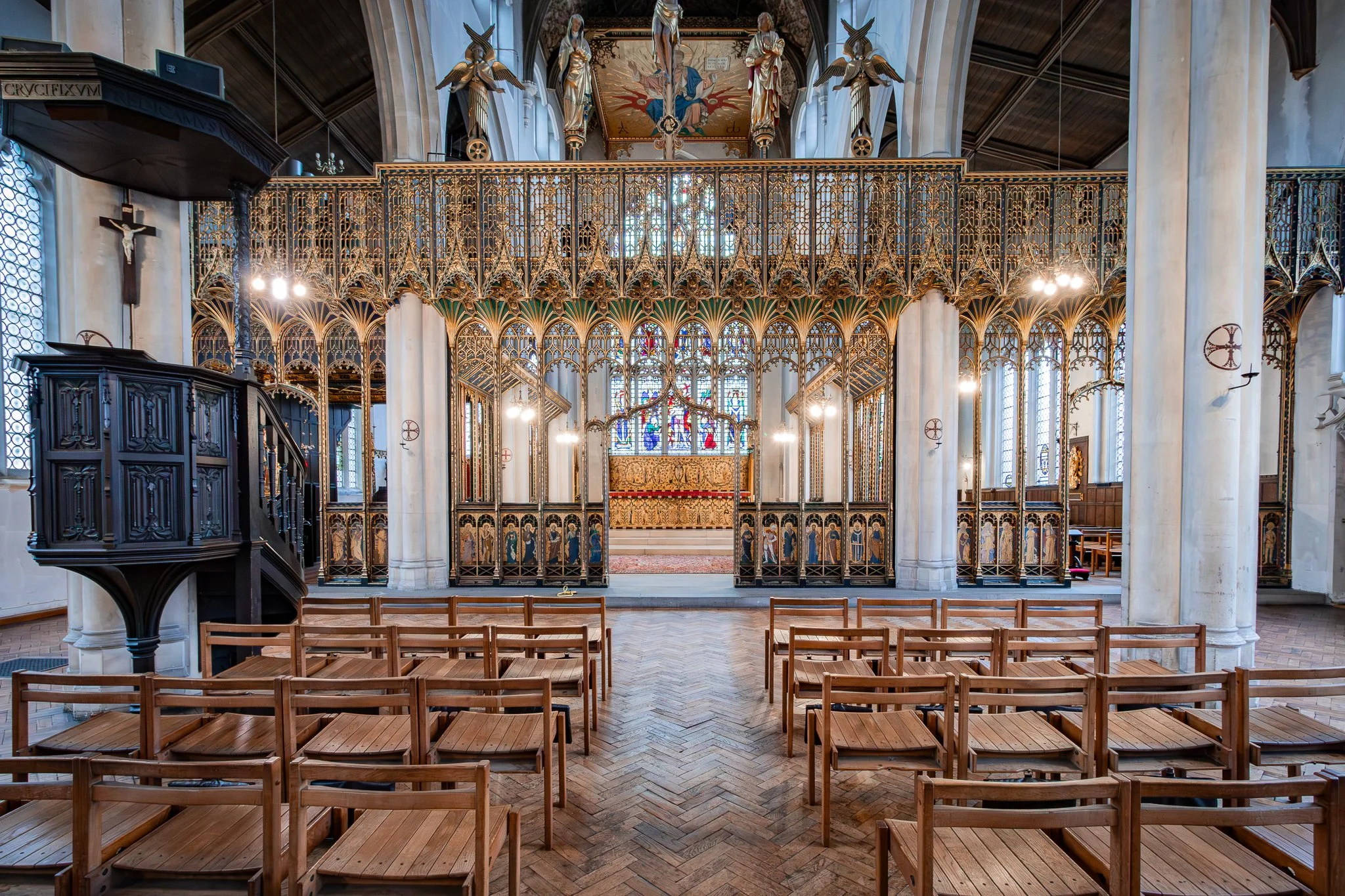
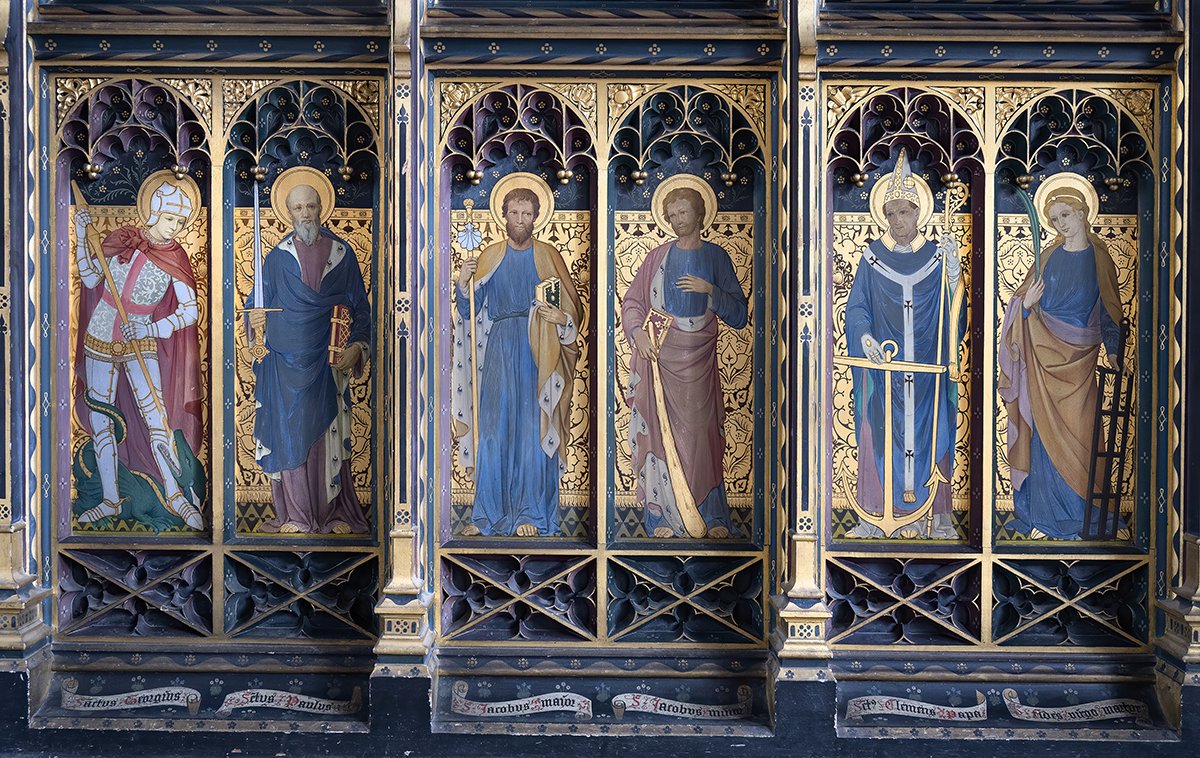
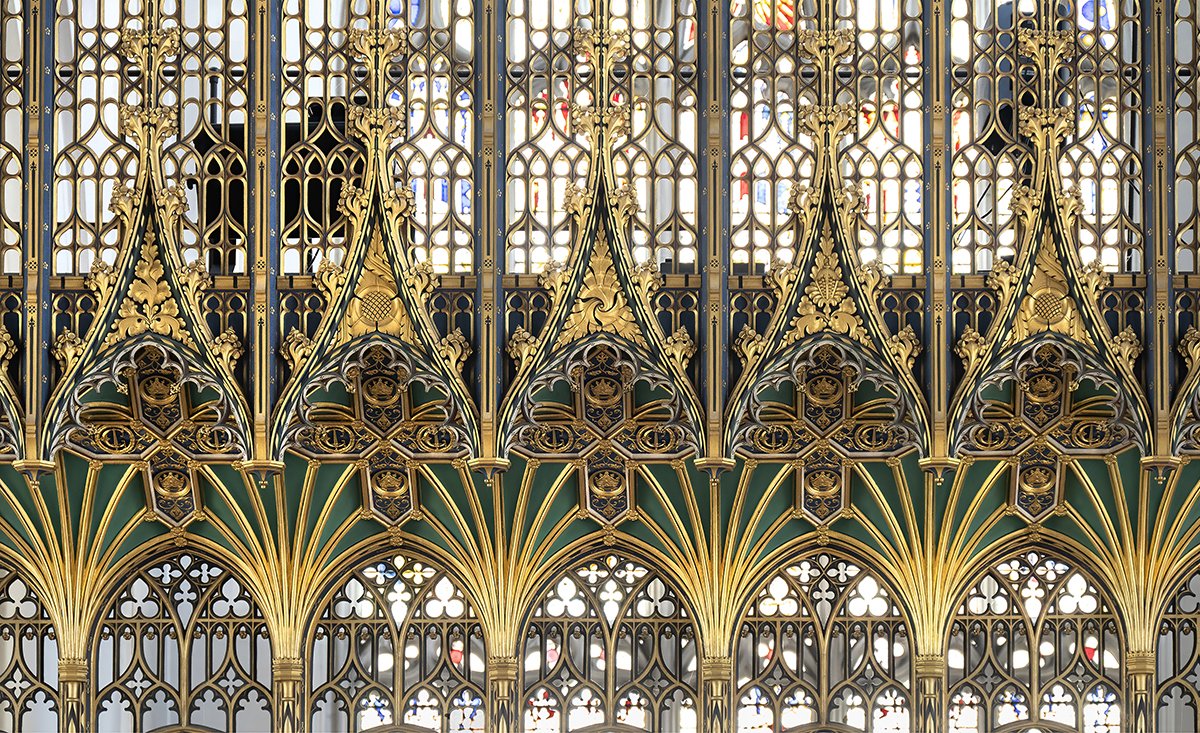
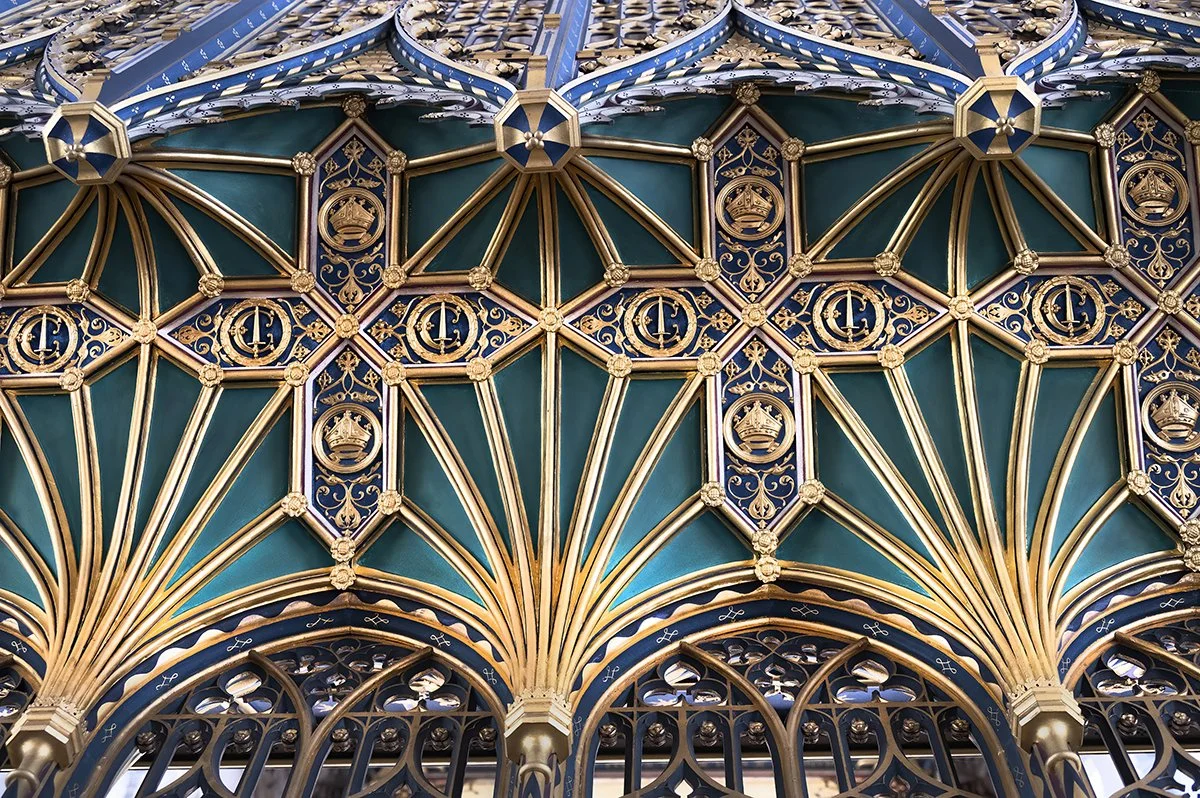
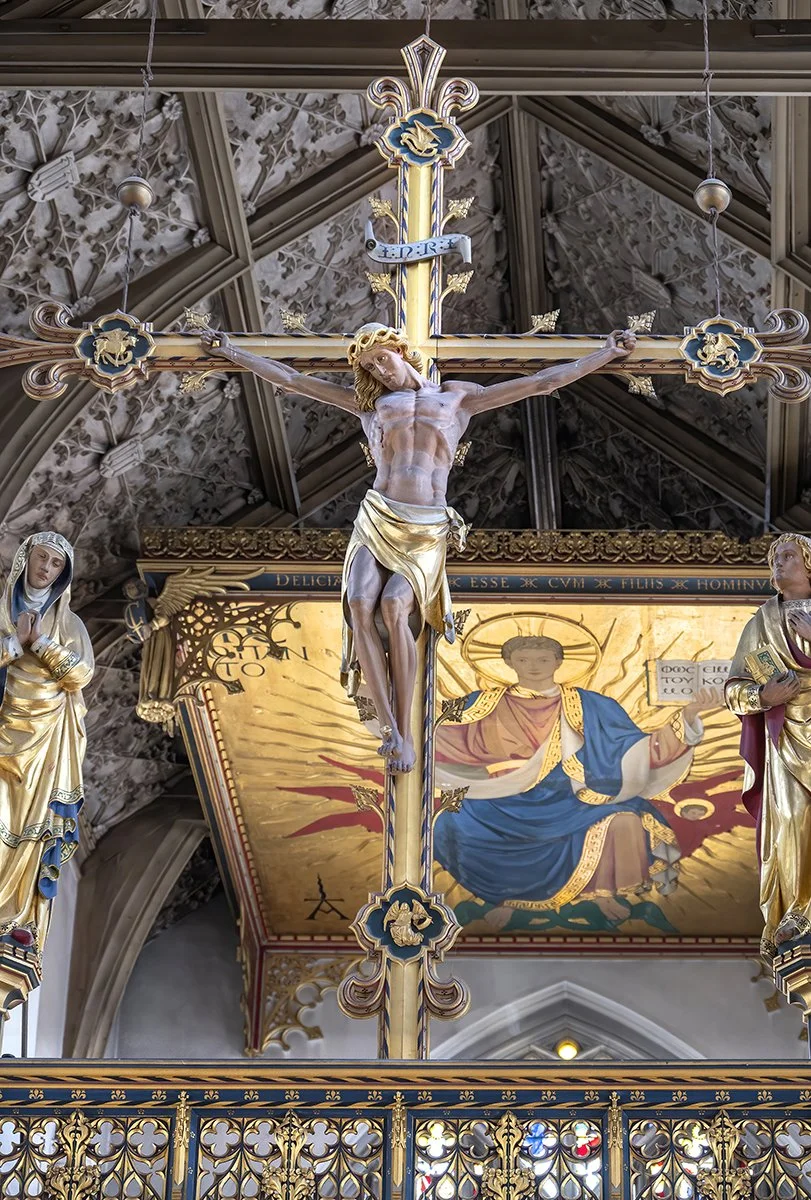
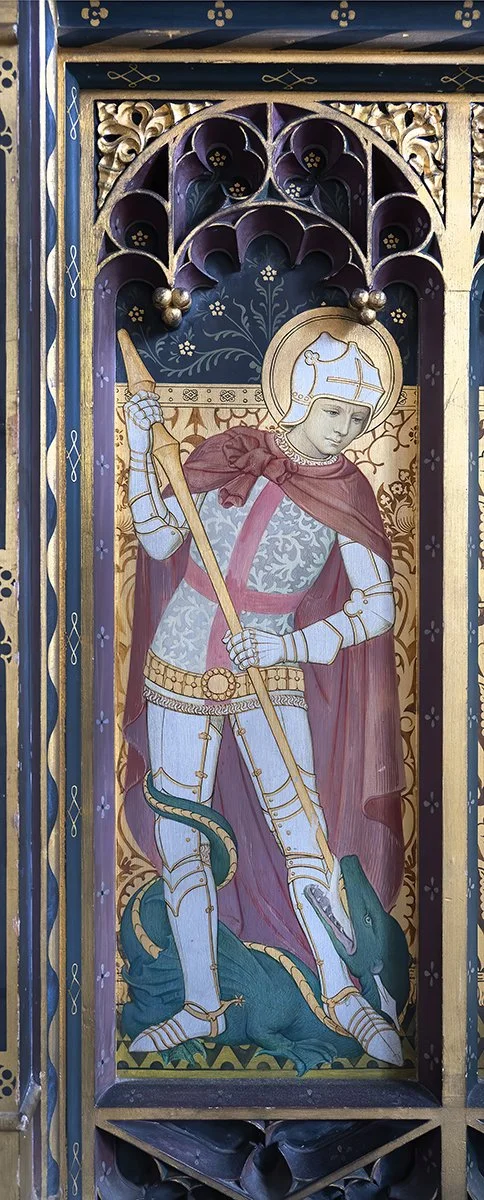
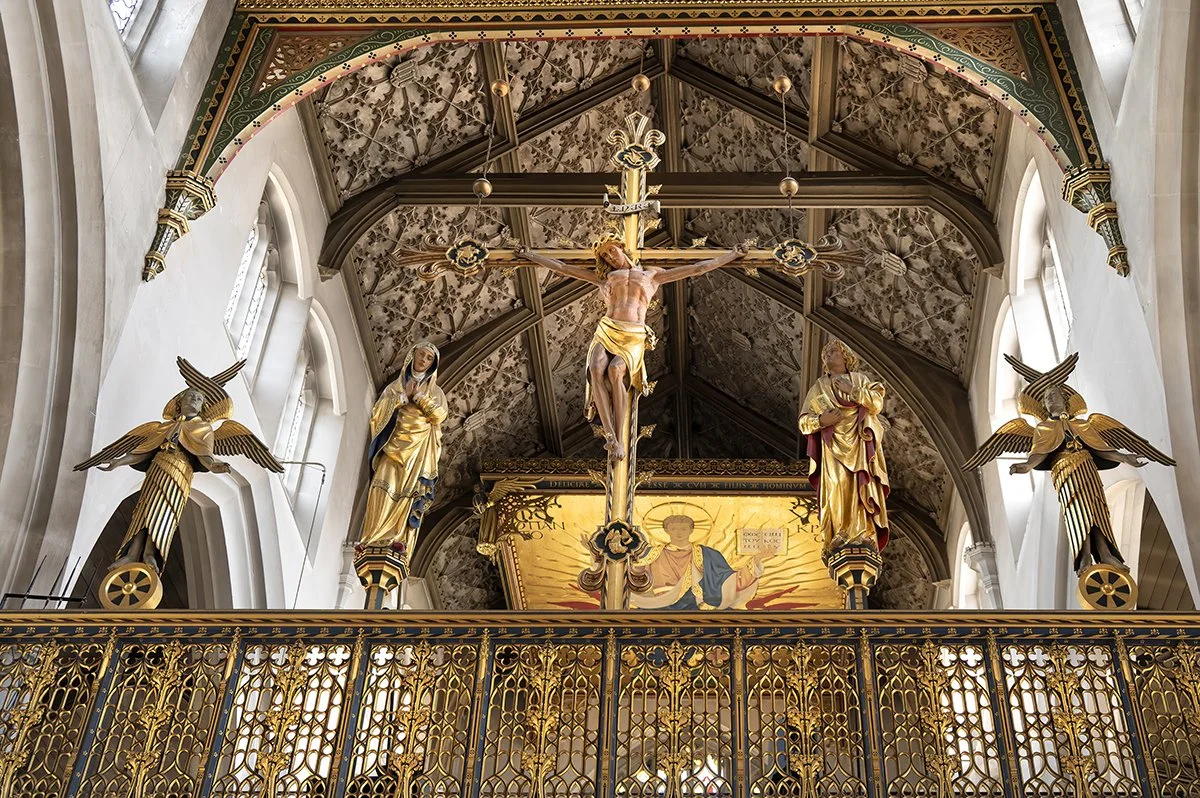
One of the church’s most remarkable features is the delicate carved and painted rood screen. Above it hangs a suspended rood, and together these elements mark the transition into the sanctuary with quiet but deliberate emphasis.
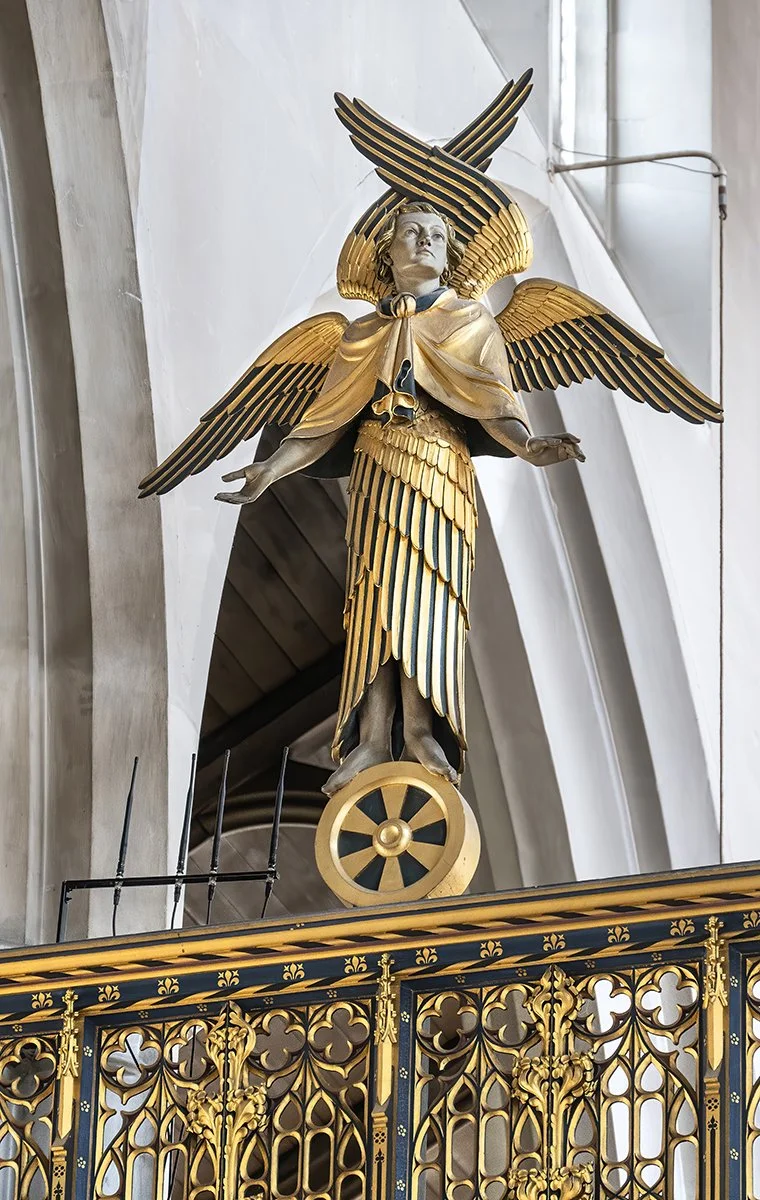
The sanctuary fittings follow the traditional English altar form favoured by Comper and his contemporaries. The altar is surrounded on three sides by hangings and a painted dossal, with riddel posts bearing angels and a painted and gilded reredos behind. At St Cyprian’s the altar is set beneath a tester placed high within the roof structure, reinforcing its visual and theological centrality.
-
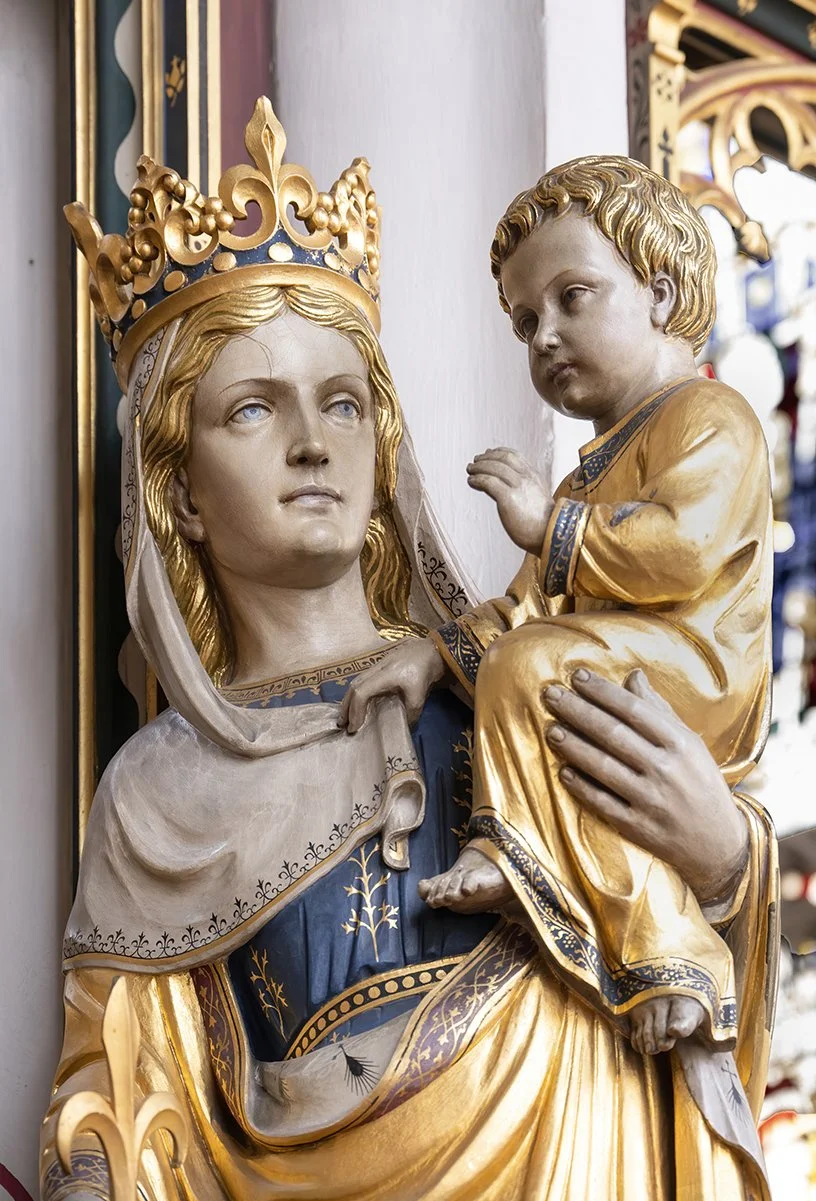
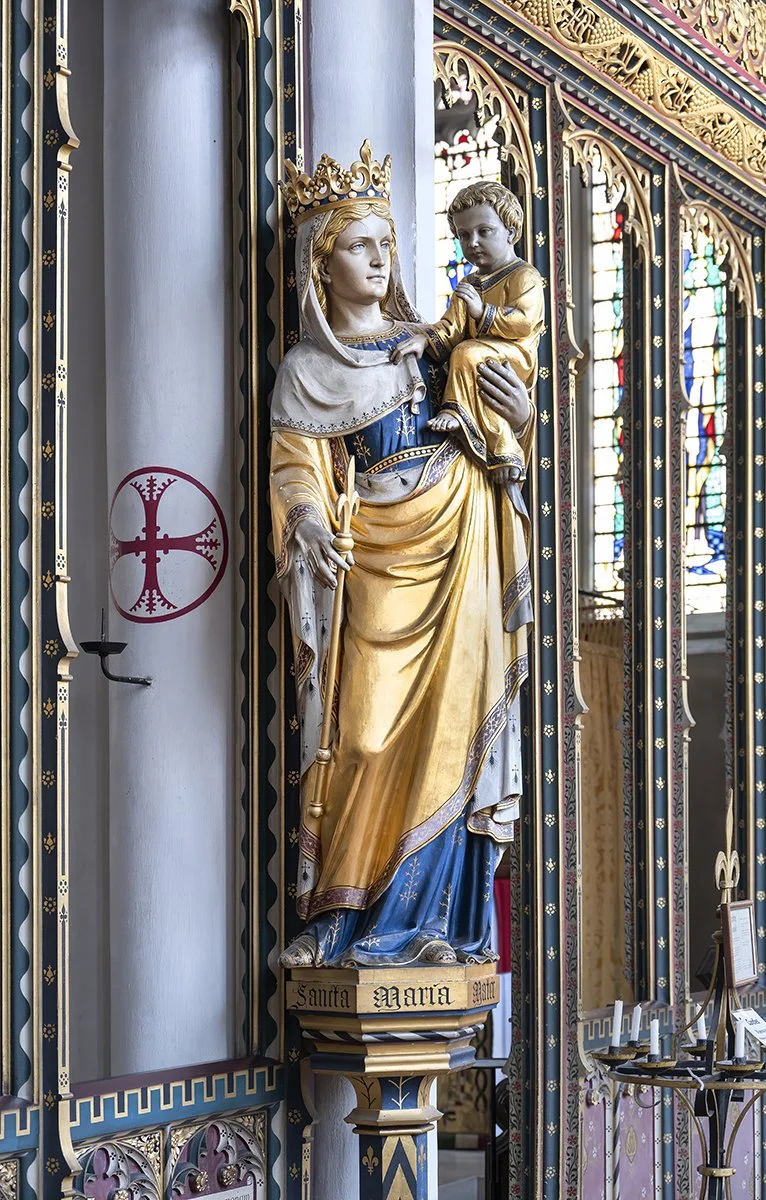
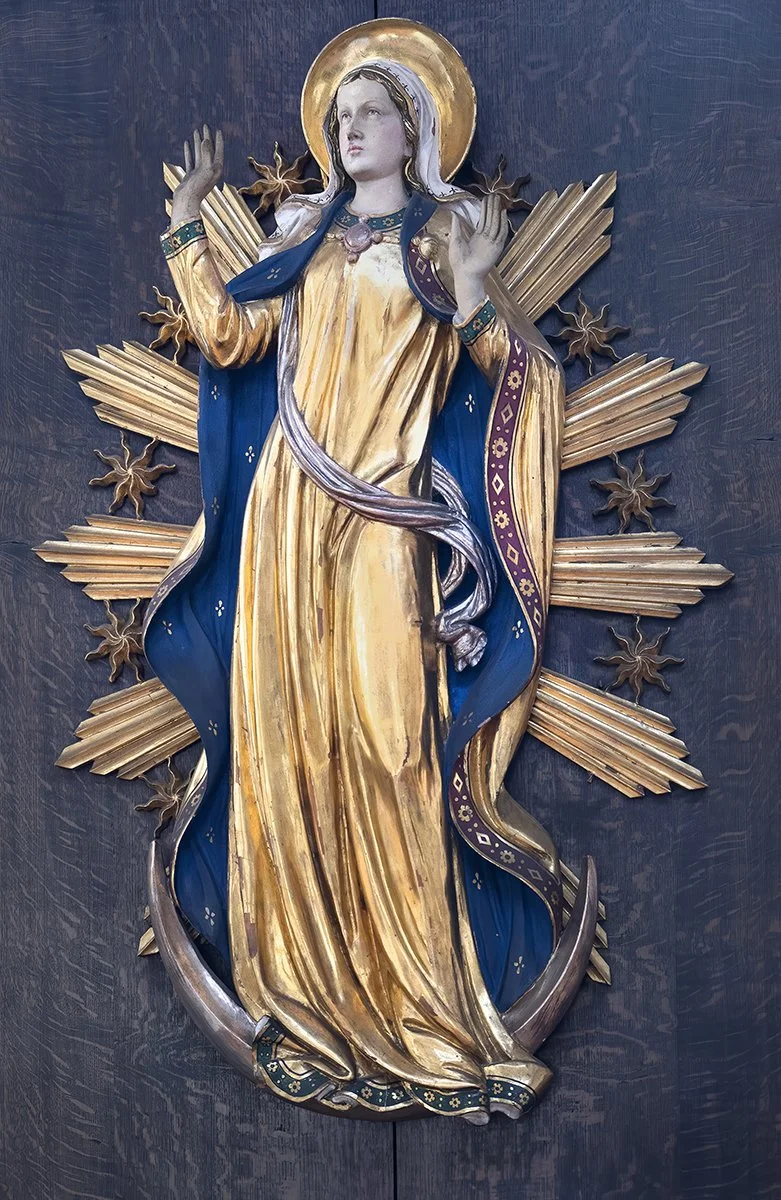
The Lady Chapel provides a smaller, more intimate space alongside the main worship area. Its role is devotional, and it is visually connected to the larger structure while offering a quieter place for prayer.
Many of the decorative details in this part of the church echo Comper’s wider scheme, tying it into the whole while still giving it a distinct sense of purpose.
-
At the west end, a stone font with a gilded classical cover dating from the 1930s greets the visitor. This feature reflects Comper’s later interest in placing classical forms alongside Gothic ones, a design approach he described as ‘Unity by Inclusion’.
This willingness to combine different architectural languages helps explain the layered character of the interior, where additions made over time sit comfortably within the original scheme.
-
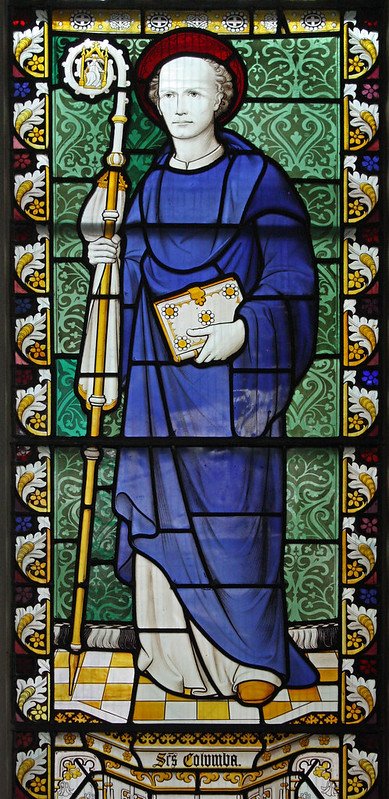
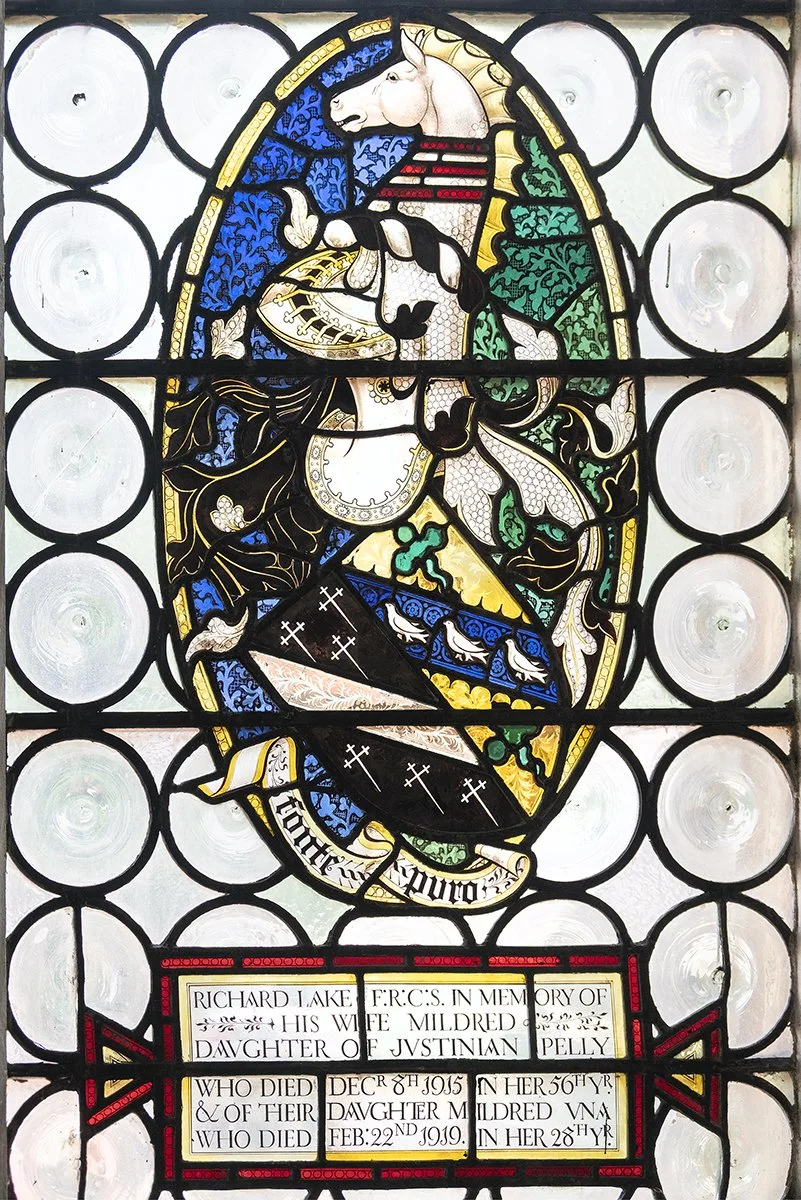
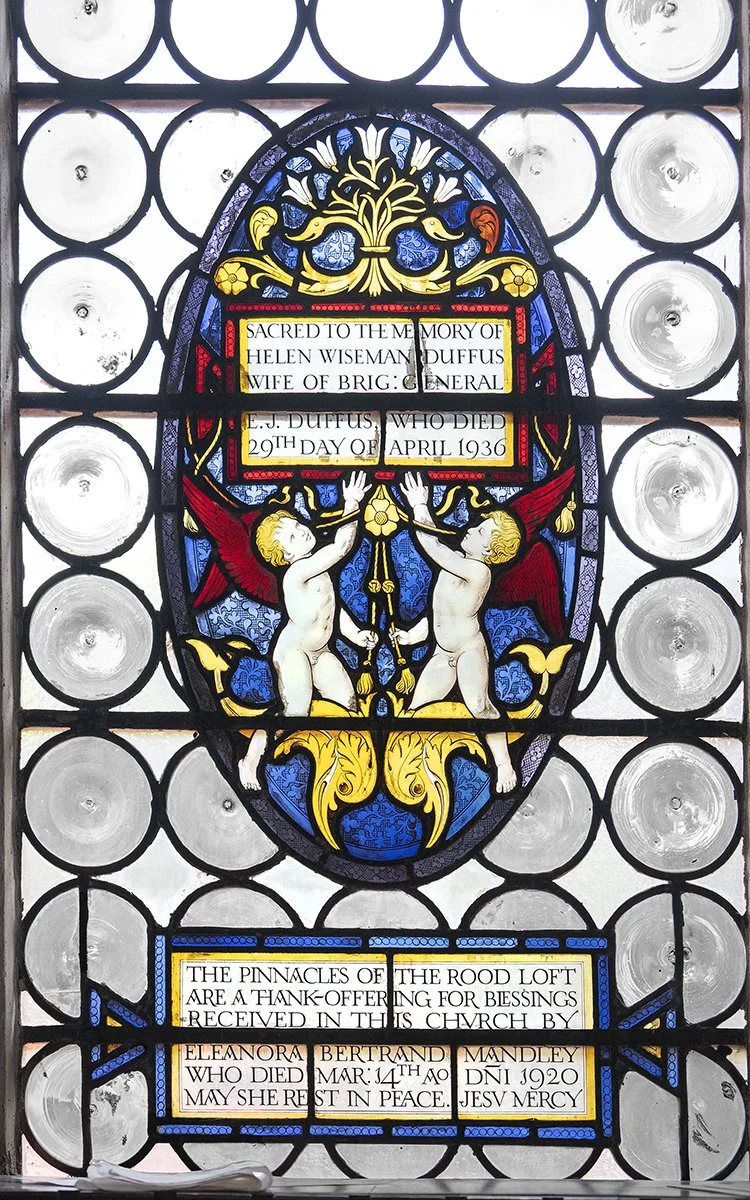
While much of the interior walls are kept simple and white, windows at the east end contain stained glass designed by Comper.
These windows focus visual attention towards the sanctuary and provide narrative depth within the liturgical space.

SIR NINIAN COMPER
AND HIS LEGACY
The later enrichment of St Cyprian’s owes much to the influence of Sir Ninian Comper, whose work shaped both the visual and theological focus of the church.
Comper was strongly influenced by the Oxford Movement and by historic English parish churches. His architecture sought to express continuity, reverence and theological meaning through form, proportion and decoration.
-
Comper designed the building with a clear focus on the Eucharist. His own description was that the church ought to feel “like a lantern, and the altar is the flame within it.”
This influenced the simple treatment of the nave walls — mostly unadorned — so that the sanctuary’s colour and detail would be visually and spiritually central.
-
Comper worked on St Cyprian’s over many years, gradually enriching the interior rather than completing it all at once. Screens, hangings, and decorative fittings were added in phases throughout the twentieth century.
This layered development is part of what makes the interior feel both unified and full of detail.
-
Comper was influenced by the Oxford Movement and by historic English parish churches, especially those with Perpendicular Gothic features.
His work at St Cyprian’s reflects his commitment to traditional church design while allowing room for later craftsmanship, colour, and symbolic richness.
The Comper Strawberry
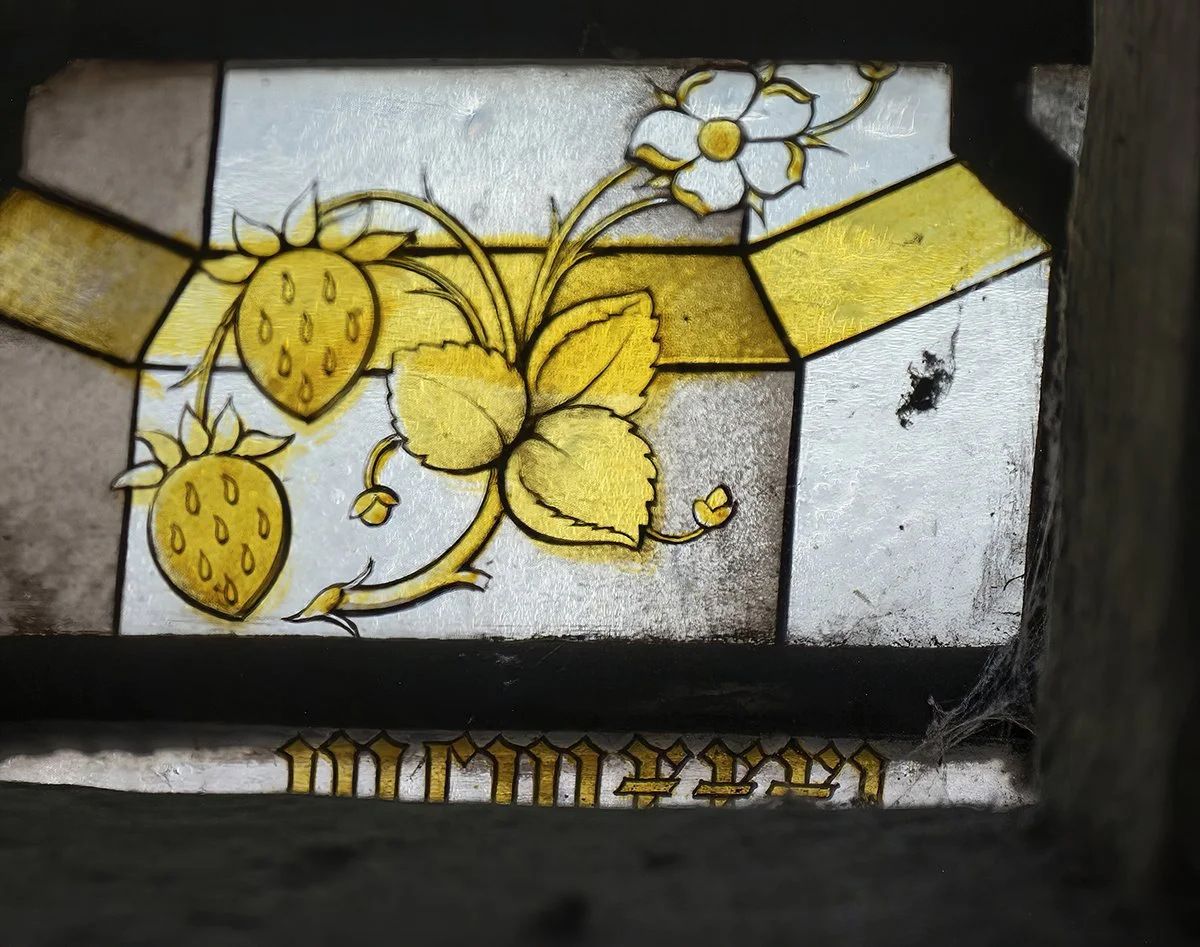
The wild strawberry is Ninian Comper’s recognised signature and appears throughout his work, including in the vestments, altar frontals and in his stained glass at St Cyprian’s.
It is often attributed as a personal tribute to his father, who is said to have collapsed while giving strawberries to people in Duthie Park.
LITURGY & DESIGN
The architecture of St Cyprian’s is closely tied to its liturgical life. The arrangement of the chancel, altar, and sanctuary reflects an understanding of worship that values reverence, continuity, and procession.
The building was designed to support the celebration of the Mass, and this relationship between space and worship remains central to the life of the church.
VISITING
ST CYPRIAN’S
St Cyprian’s Clarence Gate is located just off Regent’s Park, within easy walking distance of Baker Street and Marylebone.
Those interested in Victorian church architecture, the work of Ninian Comper, or the relationship between liturgy & design are encouraged to visit.
The church is not always open, so please contact the office first. We will be happy to help you arrange your visit in advance.
You are also warmly invited to visit a service.